What Actually Changes
The story that metabolism "slows" after 40 is partly wrong. A 2021 Science paper (Pontzer et al.) measured energy expenditure in 6,400 people aged 8 days to 95 years and found total daily energy expenditure remains stable from 20 to 60, then declines. What shifts at 40 is body composition - muscle declines, fat increases.
Hormonal Shifts
Women experience perimenopause in early-to-mid 40s. Estrogen affects fat distribution, insulin sensitivity, sleep quality. Men experience ~1%/year testosterone decline after 30 - smaller and slower but real.
Insulin Sensitivity Changes
Insulin sensitivity declines with age even in healthy non-diabetics. Same meal produces bigger insulin spike than a decade ago. Slightly more calories directed to fat storage. Slow drift, but compounds over years.
The Five Highest-Leverage Interventions
1. Resistance training
By far the most important intervention. Muscle is metabolically active - RMR scales with muscle mass. Two strength sessions per week preserve muscle. Overwhelming evidence base.
2. Protein intake
Adults over 40 need 1.2-1.6g/kg protein (higher than RDA). Preserves muscle, increases satiety, higher thermic effect than carbs/fat.
3. Sleep quality
Six-hour-and-under sleepers show insulin resistance comparable to pre-diabetics after a few nights. Prioritize 7-9 hours.
4. Avoid chronic stress
Sustained cortisol drives abdominal fat storage and insulin resistance. Stress management is evidence-based metabolic intervention, not fluffy advice.
5. Coffee, properly used
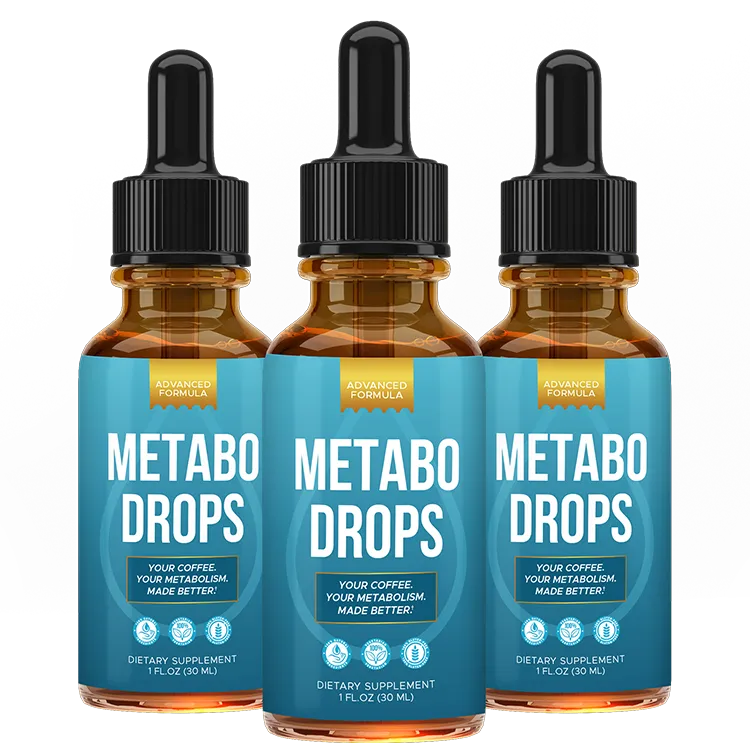
Coffee drinkers show lower diabetes rates and better metabolic markers. Adding evidence-based metabolism support like Metabo Drops to coffee leverages biology already in your favor (PMID 20532331).
Where Supplements Fit
Metabolism supplements after 40 work best as the fine-tuning layer on top of the foundational five. They cannot compensate for poor sleep, sedentary lifestyle, or inadequate protein. They provide modest additional edge when basics are already in place.