Coffee's Bioactive Profile
Coffee is not just caffeine - it contains 1,000+ chemically distinct compounds. Metabolism-relevant: caffeine, chlorogenic acid, trigonelline, cafestol/kahweol (mostly in unfiltered coffee), niacin precursors.
The Caffeine Effect
Caffeine blocks adenosine receptors (reducing fatigue) and triggers norepinephrine/epinephrine release. A 2019 systematic review (PMID 30441841) found dose-response relationships between caffeine intake and weight loss outcomes.
Tolerance develops with regular use. Heavy daily drinkers see smaller acute metabolic boosts than caffeine-naive subjects.
Chlorogenic Acid in Coffee
Brewed coffee delivers 70-350 mg of chlorogenic acid per cup. Thom (2007) showed CGA-enriched coffee reduced body mass in overweight participants (PMID 16545124).
The Insulin Sensitivity Angle
Coffee drinkers consistently show lower rates of type 2 diabetes in observational studies. A Mendelian randomization analysis (PMID 20532331) suggested this may be causal.
Brewing Method Matters
- Drip/pour-over - paper filter removes most diterpenes; healthiest for daily use
- French press/Turkish - higher cafestol/kahweol; may modestly raise cholesterol with heavy daily use
- Espresso - concentrated caffeine, moderate CGA
- Cold brew - lower acidity, somewhat lower caffeine
- Instant - viable but generally lower polyphenol content
Where Coffee-Paired Supplements Fit
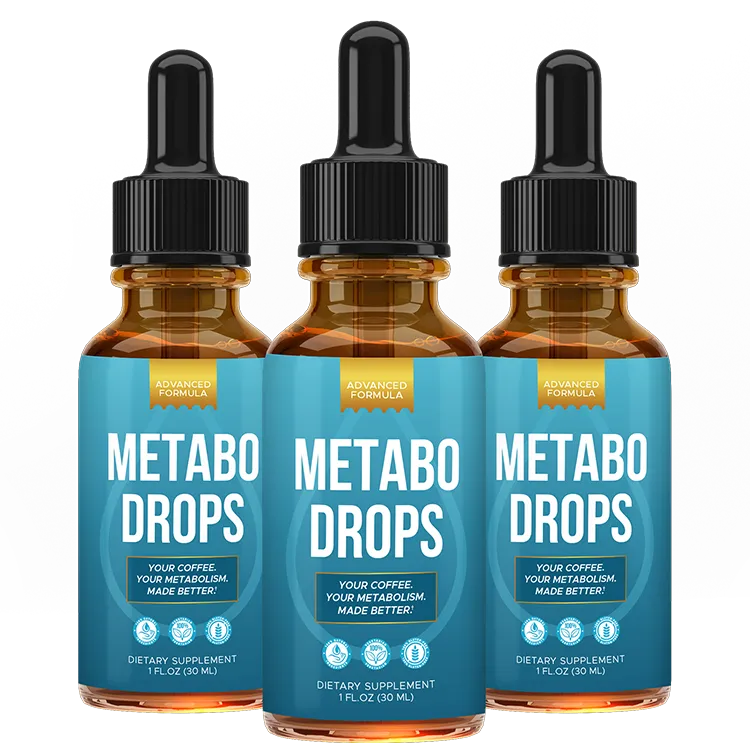
Adding metabolism nutrients to coffee leverages biology you're already producing. Metabo Drops supplements coffee's natural CGA, adds chromium and L-carnitine (which coffee lacks), and balances caffeine with L-theanine. Sensible product design - amplify what coffee already does well.